

Insurance And Sewer Drain Replacement
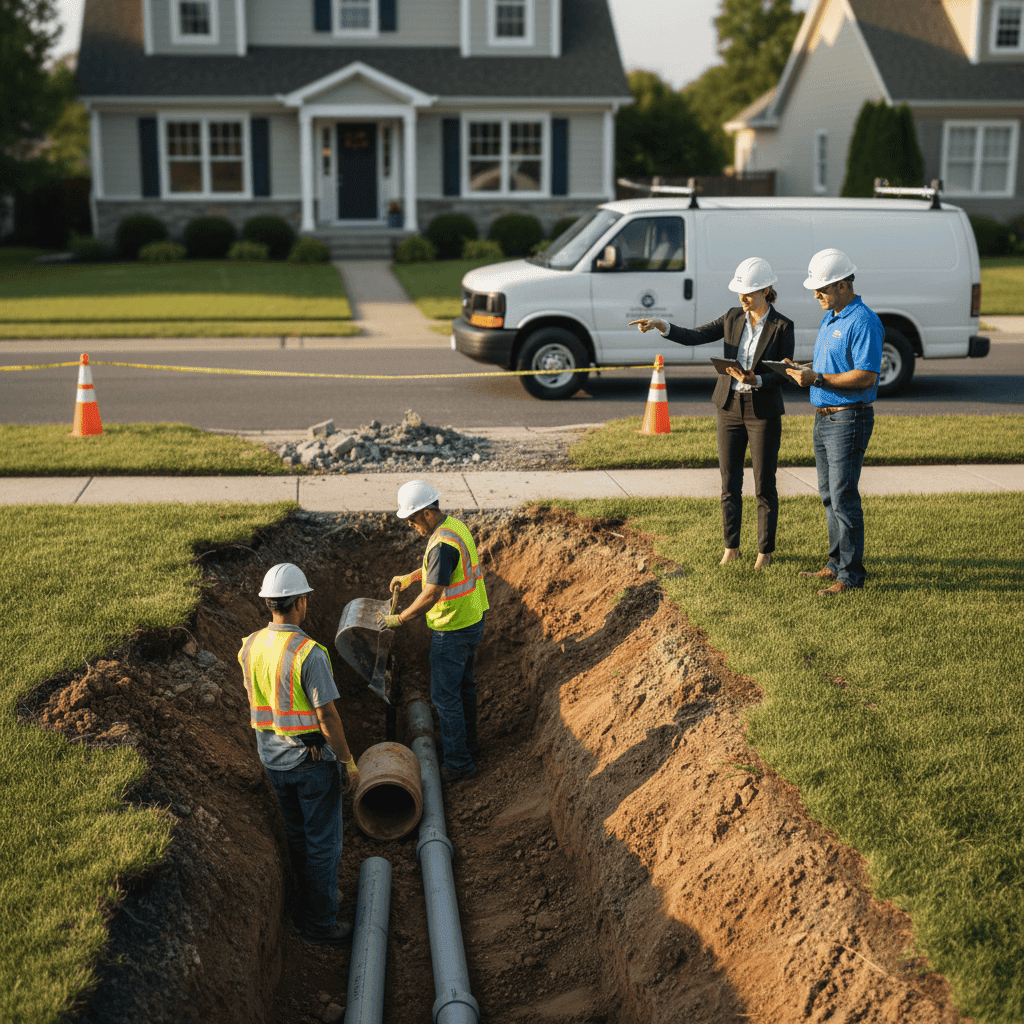
Facing a broken sewer drain brings a lot of stress and worry to homeowners. The big question usually is if insurance pays to replace the sewer drain. The quick answer is it depends. This happens because insurance rules vary and how the damage started makes all the difference. Keep reading to find out what really matters when insurance steps in or stays out of the picture.
This article walks through the factors that influence coverage for insurance and sewer drain replacement. You will get clear examples of covered scenarios and common exclusions, practical tips for documenting damage, and guidance on working with both your insurer and a trusted plumbing contractor to reach the best outcome.
How homeowners insurance typically treats sewer drain replacement
Most standard homeowners policies focus on sudden and accidental damage to covered property. If a sewer line fails because of an event described in your policy those events can trigger coverage. Examples include a tree falling and crushing a pipe or an accidental construction mishap that severs the line.
On the other hand gradual deterioration due to age, corrosion, or long term ground movement is often excluded. Insurers view replacement for wear and tear as maintenance which is the homeowner responsibility. A clear way to think about it is whether the damage happened fast and unexpectedly or developed slowly over time.
Common policy provisions that affect sewer line claims
Look at these provisions in a policy to get a sense of how a claim might be handled
- Sewer backup or water backup coverage This is often an add on. It may pay for cleanup and interior damage from a backed up sewer but not for the buried pipe itself.
- Sudden and accidental clause This language is commonly what insurers use for covered events. It can apply when a covered peril damages the line quickly.
- Wear and tear exclusion Most policies exclude damage that occurs gradually. If a line failed because it was old and corroded the claim could be denied.
- Underground property coverage Some carriers offer optional coverage that specifically addresses buried pipes and drains. It may cover repair and replacement subject to limits.
- Policy limits and deductibles Even when a claim is accepted limits and deductibles will determine how much the insurer pays.
Real examples of covered and non covered sewer issues
Examples make the difference clear
- Covered scenario A heavy storm uproots a tree that breaks a section of the lateral sewer line and causes a major backup into the basement. If the policy lists windstorm damage and the accidental break is covered you may receive payment for the line replacement and interior damage subject to limits.
- Not covered scenario A 50 year old clay pipe collapses from decades of corrosion and root intrusion. The insurer denies the claim citing wear and tear and lack of accidental damage.
- Mixed outcome scenario A minor crack lets sewage leak slowly and a nearby contractor accidentally digs through the line making the problem worse. The portion related to the contractor mistake may be covered while the gradual leak portion may not be.
Key steps to improve the chance of a favorable claim outcome
How you document and present the issue matters. Follow these steps to strengthen your position
- Stop the loss when safe to do so. If you can limit interior damage take temporary measures to prevent more harm.
- Document everything. Take dated photos of visible backups, surface sinkholes, and any damage to landscaping. Keep receipts for emergency clean up and temporary repairs.
- Hire a licensed plumber to diagnose the cause. A professional inspection that includes camera footage of the pipe provides strong evidence about whether the failure was sudden or gradual.
- Request a written report that states the likely cause of failure and includes video time stamps if a camera inspection was performed.
- File the claim promptly and attach the plumber report and photos. Be clear about the timeline of events.
How plumbers and insurers work together
Coordination between your plumbing contractor and the insurance adjuster often decides how smoothly the claim proceeds
What a plumbing report should include
- Camera footage of the interior of the pipe showing the exact condition
- Clear description of the failure mechanism such as root intrusion, corrosion, or physical break
- Estimate of repair options with itemized costs for excavation, replacement pipe, and restoration of landscaping or hardscapes
- Notes about code upgrades that may be required when existing pipe is replaced
What to expect from the adjuster
An adjuster may order their own inspection or accept the contractor report. They will apply policy language to the facts. If coverage is denied they must list the policy exclusion used for denial. If the adjuster accepts part of the claim they will calculate payment after the deductible and within limits.
Cost drivers for sewer drain replacement and code upgrade impact
Replacement costs vary widely. Here are the main drivers
- Length and depth Longer laterals and deep trenches cost more to excavate and backfill.
- Pipe material PVC is less expensive than certain other materials. Matching existing materials can affect cost.
- Access and landscaping Hardscapes like driveways or patios raise the price because of demolition and restoration.
- Local code requirements When a damaged section is replaced local codes may require upgrades to meet current standards. Those upgrades can increase the bill and may or may not be covered by insurance.
- Trenchless options Methods like pipe lining or pipe bursting can reduce surface repair costs. Suitability depends on pipe condition and permit requirements.
Practical negotiation tips for dealing with denials or partial payments
If a claim is denied follow these steps to present a strong appeal
- Ask the insurer to provide the exact policy language used for the denial. Compare that wording to the contractor report.
- Obtain a second opinion from another licensed plumber if the cause is disputed. Independent camera footage can be persuasive.
- Compile a timeline that shows when problems were first noticed and whether any sudden event coincided with failure.
- Request an itemized breakdown of the adjuster calculation if payment is partial. That shows which line items were excluded.
- Consider an appraisal clause or an outside mediator if the disagreement continues. Many policies have dispute resolution options.
How to prevent sewer line failures and lower future risk
Regular maintenance reduces the chance of a claim being denied because damage was gradual. Practical steps include
- Annual camera inspections for older systems to identify deterioration early
- Regular root control and removal if trees are near the lateral
- Replacing old clay or cast iron lines proactively when repair costs and future risks favor replacement
- Keeping a maintenance log and receipts for any work performed so you have proof of ongoing care
If you need professional assessment and documentation for a claim consider a local plumbing contractor who offers camera inspection and clear written reports. For homeowners in the Orlando area the following resource can be helpful for learning how insurance may handle these replacements and for finding someone to perform the necessary inspections and repairs Brightwater Plumbing Of Orlando.
When replacement may still be your responsibility
Even with strong documentation there are situations where the homeowner covers the full cost. Examples include failure from age and normal wear or if the policy explicitly excludes underground piping. Also if the insurer approves interior cleanup but not the buried pipe the out of pocket cost for the line remains.
Budgeting for potential future replacement helps avoid surprise expenses. Request multiple estimates and ask about financing or phased work plans to spread costs if replacement is large.
Understanding your policy, documenting the event, and working with licensed professionals improves the chance of a favorable outcome when dealing with insurance and sewer drain replacement. Keep maintenance records and consider optional endorsements that specifically address sewer backups and underground property to add clarity to future claims.
Conclusion
Insurance and sewer drain replacement sit at the intersection of policy language, cause of damage, and the quality of documentation. Sudden accidental events are more likely to be covered while damage from gradual wear usually falls to the homeowner. Camera inspections and well structured contractor reports matter a great deal when you file a claim. When you face a problem check your policy for backup endorsements and underground coverage, act quickly to limit interior damage, and gather photographic and professional evidence. If you receive a denial do not accept it without review. Ask for the policy wording, seek a second inspection if needed, and present a clear timeline and cost estimate. Taking these steps improves your position when discussing the issue with your insurer and makes it easier to compare contractor proposals. If you are ready to get an inspection or need a written report to support a claim contact a licensed plumbing contractor in your area and request a camera inspection. Prompt documentation and good communication produce stronger results. Take the next step today by scheduling an inspection so you know your options and can make an informed decision about repair or replacement.
 The Real Tech Driving Psychedelic Renaissance 2026
  Roof Safety Regulations for Singapore Construction and Maintenance Workers
  Medical Alerts That Work Without Landline Connections
  Handle a Dangerous Product Injury Case
  Your Air Conditioner Blowing Hot Air?
  City Living How To Thrive Financially And Achieve Goals